Catalina: Crafting Modern Elegance with a Playful Script Font
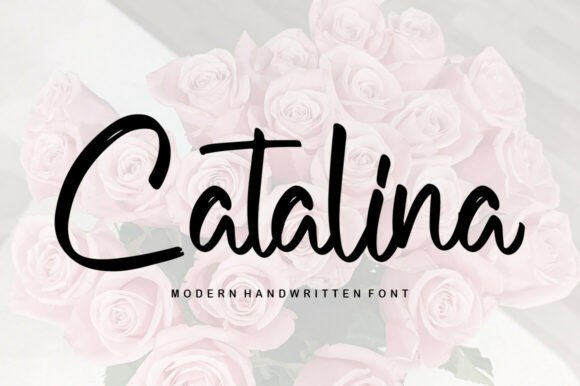
Finding a typeface that feels both sophisticated and approachable can be a challenge. Many fonts lean heavily into one personality or the other, leaving a gap in the middle. Catalina fills that space beautifully. As an elegant and modern script font, it offers a unique blend of refined curves and a fun, handwritten character. This isn't your grandmother's formal calligraphy; it's a fresh take on script typography designed for today's creative projects. The flowing letterforms have a natural, organic rhythm, making it feel personal and crafted rather than mechanically generated. Its charm lies in this duality—it can whisper sweet nothings on a wedding invitation and then shout a playful greeting on a social media post.
Where Catalina Truly Shines: Practical Applications
Understanding a font's strengths is key to using it effectively. Catalina isn't a workhorse for body text; it's a specialty display font meant to capture attention and set a tone. Its script font nature makes it ideal for projects where personality and emotion are paramount.
Wedding and Event Stationery: This is Catalina's natural habitat. Its cute and fun personality is perfect for writing wedding invitations, save-the-dates, thank you cards, and ceremony programs. It instantly evokes a sense of celebration and intimacy, making guests feel personally invited. The elegant loops and swashes add a touch of luxury without feeling stuffy or overly traditional.
Brand Identity and Logo Design: For brands targeting a feminine, boutique, or artisanal market, Catalina can be a cornerstone of the brand identity. It works exceptionally well for logos in the beauty, lifestyle, floral, bakery, or wedding planning industries. When paired with a clean sans serif font or a simple serif font, it creates a balanced and professional look. The key is to use it for the brand name or a key tagline, not for lengthy descriptions. This establishes a creative font presence that is memorable and recognizable.
Marketing and Social Media: In the fast-scrolling world of social media, you have seconds to make an impact. Catalina is perfect for creating engaging social media graphics. Use it for Instagram story quotes, Facebook promotion headers, or Pinterest pin titles to add a personal, handwritten touch that stands out against more sterile corporate fonts. It's also highly effective for packaging design, especially for product labels, hang tags, or thank you notes included in orders, enhancing the unboxing experience.
Digital and Print Publishing: Bloggers and content creators can use Catalina to add visual interest to their sites. It's excellent for featured image text, pull quotes, or section headers in editorial design. The font adds a layer of sophistication to digital magazines, e-books, or printable planners. For web design, it can be used sparingly for hero section headlines or call-to-action buttons to guide the user's eye with elegance.
Mastering the Mix: Pairing, Readability, and Licensing
A great font is only as good as its context. To use Catalina effectively, you need to consider its partners and its practical limitations. A strong font pairing is essential. Because Catalina is expressive, it pairs best with neutral, highly legible companions. A geometric or humanist sans serif font like Montserrat, Lato, or Open Sans provides a clean, modern counterbalance. For a more classic or editorial feel, a sturdy serif font like Playfair Display or Lora can create beautiful contrast. The goal is to let Catalina be the star of the headlines while the supporting font handles the heavy lifting of body copy.
Readability is a critical consideration for any display font. Catalina's flowing connections are designed for short bursts of text, not paragraphs. At small sizes or on low-resolution screens, its intricate details can become muddy. Always test it at the intended size and on various devices if it's for a web design project. For print, ensure the final output quality preserves the font's delicate strokes. It’s a premium font, and its quality is best appreciated when it has room to breathe.
When evaluating any commercial font, licensing is non-negotiable. Catalina, like most quality design assets, comes with specific licensing terms. Before using it in a client's logo design, on merchandise for sale, or in a widely distributed publication, you must verify that your license covers that use. Most foundries offer different tiers for desktop, web, and app usage. Purchasing from a reputable source ensures you get the complete family, often including stylistic alternates, ligatures, and swashes that expand its versatility. Reviewing these included styles during your design exploration can unlock new creative possibilities.
Ultimately, Catalina is more than just a handwritten font; it's a tool for injecting warmth, elegance, and personality into a project. Its strength lies in its ability to connect on a human level, making it a valuable addition to any designer's toolkit for the right context. By understanding its character and applying it thoughtfully, you can elevate your work from simply functional to genuinely engaging.